


Education stands as one of the most influential forces driving both personal growth and global progress. It does more than transfer knowledge; it shapes character, opens doors to opportunities, and equips individuals to face the challenges of a constantly changing world. Today, education goes far beyond the traditional classroom, embracing digital tools, global perspectives, and lifelong learning. This modern approach ensures that learners are not only informed but also adaptable, creative, and ready to thrive in an increasingly complex and interconnected future.
The Purpose and Meaning of Education
Education serves as a guiding force that shapes how individuals think, understand society, and interact with the world around them. It is more than the transfer of academic knowledge; it is a dynamic process that builds values, communication skills, and emotional resilience. Education nurtures critical thinking, enhances decision-making abilities, and fosters creativity that helps individuals adapt to change. By encouraging curiosity and personal responsibility, education allows people to participate meaningfully in their communities. Ultimately, its purpose is to help every learner grow intellectually, emotionally, and socially in order to contribute positively to society.
The Evolution of Education in a Changing World
Education has transformed dramatically from teacher-centered classrooms to flexible, interactive environments influenced by technology and global connectivity. Traditional systems emphasized memorization and discipline, but modern approaches encourage collaboration, creativity, and independent exploration. Learners now benefit from diverse tools such as videos, simulations, and digital labs, which help them understand complex concepts more effectively. Educational institutions are increasingly focusing on real-world skills and practical knowledge rather than solely textbook learning. This evolution continues as schools adopt innovative teaching models that prepare students for rapidly changing industries.
Technology as a Transformative Force
Technology has become one of the most influential elements in shaping the future of education, making learning more accessible and adaptive for students of all backgrounds. Digital classrooms, interactive platforms, and intelligent systems create personalized pathways that allow students to learn at their own pace. Tools such as virtual reality provide immersive learning environments, making difficult concepts easier to experience and understand. Technology also connects learners to global resources, enabling them to access expert knowledge anytime and anywhere. For global research on educational technology, UNESCO provides reliable insights at https://www.unesco.org/en/education
The Importance of High-Quality Education
High-quality education is essential for building strong economies, innovative societies, and empowered individuals who can face global challenges confidently. It equips learners with relevant skills that match modern industries, providing a foundation for long-term career growth and stability. Quality education promotes problem-solving, collaboration, and creativity—skills that are increasingly valuable in today’s competitive world. Communities that invest in education create opportunities for social advancement and improved living standards. For individuals, it opens doors to employment, personal development, and lifelong learning, ensuring they remain adaptable in a constantly evolving environment.
Challenges Faced by Modern Education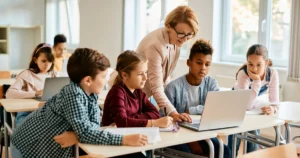
Despite progress, many education systems still struggle with issues like unequal access, limited resources, and outdated teaching methods that fail to meet the needs of modern learners. Digital inequality, especially in developing regions, prevents many students from benefiting from online education. Teachers also face challenges in adapting to new technologies while managing growing workloads and diverse student needs. In addition, rising academic pressure contributes to stress and mental health concerns among students. Addressing these issues requires collaborative efforts from governments, educators, and communities to create inclusive learning environments.
Digital and Remote Learning: Expanding Accessibility
Remote learning has transformed how education is delivered by breaking geographical barriers and allowing learners to study from any location. It offers flexibility, letting students choose when and how they learn while accessing global resources and expert instructors. Online platforms also support personalized learning through adaptive content that adjusts to individual strengths and weaknesses. However, digital learning also highlights disparities for those without reliable internet or devices. As hybrid models grow in popularity, they combine the strengths of both in-person and online education to create more inclusive and effective systems.
Traditional Education vs. Modern Education
The shift from traditional to modern education can be understood clearly through a structured comparison of teaching approaches and learning experiences. While traditional education relies heavily on textbooks and teacher-led instruction, modern education integrates technology and encourages student participation. The table below highlights these differences and shows how learning has evolved to meet the needs of contemporary learners. This comparison helps educators understand which methods enhance engagement, creativity, and long-term understanding. By recognizing these changes, schools can design learning environments that prepare students for future challenges.
| Aspect | Traditional Education | Modern Education |
|---|---|---|
| Teaching Style | Teacher-centered | Student-centered |
| Learning Tools | Books, chalkboards | Digital platforms, multimedia |
| Flexibility | Fixed schedules | Flexible, hybrid models |
| Assessment | Memorization-based | Skills & project-based |
| Student Role | Passive listener | Active participant |
Key Trends Driving the Future of Education
The future of education is shaped by several growing trends, including personalized learning, AI-driven tools, global collaboration, and immersive digital experiences. Personalized systems analyze student performance and adapt lessons to match their pace, creating more meaningful learning experiences. Educators are also focusing on skill-based curricula that emphasize communication, critical thinking, and digital literacy. Project-based learning encourages students to solve real-world problems through teamwork and innovation. These trends indicate that future education will be more flexible, innovative, and aligned with rapidly evolving industries.
The Evolving Role of Teachers
Teachers today play a much broader role than simply delivering content; they act as mentors, guides, and facilitators who support individual learning journeys. Modern teaching requires educators to integrate digital tools, encourage creativity, and nurture emotional well-being. They are expected to adapt lessons to diverse learning styles while promoting curiosity and independent thinking. Continuous training helps teachers stay updated with new methods, technologies, and classroom strategies. As the education landscape evolves, teachers remain central to student success, shaping how learners understand the world and develop essential life skills.
Emotional Intelligence in Education
Emotional intelligence has become a crucial component of education because it influences how students handle stress, build relationships, and navigate challenges. Schools that incorporate emotional learning help students develop self-awareness, empathy, and responsible decision-making skills. These qualities contribute to stronger academic performance and healthier social interactions, creating balanced and positive classroom environments. Emotional intelligence supports long-term personal growth by helping learners manage emotions effectively. As modern challenges become more complex, emotional development is increasingly recognized as essential to preparing learners for future personal and professional success.
The Role of Parents in Educational Success
Parents play an essential role in shaping their children’s learning habits, motivation, and academic confidence through consistent support and communication. By encouraging effective study routines and maintaining open contact with teachers, parents help create a stable environment that promotes academic success. Their involvement also strengthens a child’s emotional resilience, helping them handle school-related challenges more effectively. Supportive home environments foster curiosity and discipline, both of which are vital for long-term learning. When schools and parents work together, educational outcomes improve significantly for students.
Education and Career Development
Modern education contributes significantly to career development by equipping individuals with abilities that match the needs of contemporary workplaces. Skills such as communication, digital literacy, critical thinking, and teamwork are essential for thriving in evolving industries. Internships, practical training, and online certifications help bridge the gap between academic knowledge and real-world requirements. Continuous learning has become a necessity, as professionals must constantly update their abilities to remain competitive. EducationBeing com supports learners by offering accessible insights that help them understand career trends and learning opportunities.
Education as a Tool for Personal Transformation
Education empowers individuals by expanding their worldview, improving confidence, and enabling them to make informed decisions that influence their lives positively. It develops intellectual and emotional strengths that help people face challenges with resilience and curiosity. Learning introduces individuals to new ideas, cultures, and perspectives, fostering open-mindedness and critical thinking. Through academic and personal growth, education builds a foundation for setting goals and pursuing opportunities. This transformative power makes education a lifelong force that continues to shape personal identity and future aspirations.
Building Stronger Education Systems for the Future
Strengthening global education systems requires a commitment to improving teacher training, updating curriculums, investing in technology, and ensuring equal access for all learners. Governments and organizations must address inequalities that prevent students from receiving quality education. Building safe, modern, and resource-rich learning environments is crucial for creating inclusive systems. The World Bank offers detailed research and strategies for global education development at https://www.worldbank.org/en/topic/education
. By prioritizing innovation and sustainability, countries can develop stronger systems that support long-term growth and opportunity.
Frequently Asked Questions (FAQs)
1. What is the main purpose of modern education?
Modern education aims to develop intellectual, emotional, and practical skills that help individuals succeed in life and contribute to society effectively. It focuses on critical thinking, creativity, communication, and adaptability, which are essential for navigating a complex world. Education fosters curiosity and empowers learners to solve real-world problems with confidence. It also supports the development of values such as empathy, responsibility, and respect. Ultimately, modern education prepares individuals for both personal growth and global citizenship.
2. How does technology improve education today?
Technology enhances education by making learning flexible, engaging, and accessible to students anywhere in the world. Digital platforms offer interactive lessons, virtual classrooms, and multimedia tools that help students understand difficult subjects more easily. Technology also allows learners to review lessons at their own pace and access expert knowledge from global educators. Artificial intelligence supports personalized learning by adjusting content to match individual performance. This integration of technology helps create a more efficient and enjoyable learning experience.
3. Why is quality education important for the future?
Quality education equips individuals with essential skills that improve their career prospects and overall life opportunities. It supports economic development by producing skilled workers who contribute to innovation and productivity. Quality learning also promotes social stability by encouraging responsible citizenship and cultural understanding. Modern industries demand creativity, problem-solving, and collaboration, all of which stem from strong education systems. Investing in quality education is crucial for building a healthier, more progressive future for society.
4. What is the difference between traditional and modern learning?
Traditional learning relies heavily on teacher-led instruction, memorization, and standardized testing, while modern learning emphasizes creativity, collaboration, and technology-based approaches. Modern systems encourage students to participate actively, explore ideas independently, and apply knowledge to real-world situations. Digital tools make learning more engaging through videos, simulations, and interactive activities. This shift creates more balanced learning experiences that help students understand concepts deeply rather than memorizing information temporarily.
5. How can parents support their child’s education?
Parents can support education by creating a positive home environment that encourages focus, discipline, and curiosity. Regular communication with teachers helps parents understand their child’s progress and challenges, allowing timely support. Simple actions like establishing study routines, providing emotional encouragement, and celebrating achievements strengthen academic confidence. When parents actively participate in school activities, children feel more secure and motivated. Strong collaboration between home and school is essential for a child’s overall success.
YOU MUST READ : qy-45y3-q8w32-model