

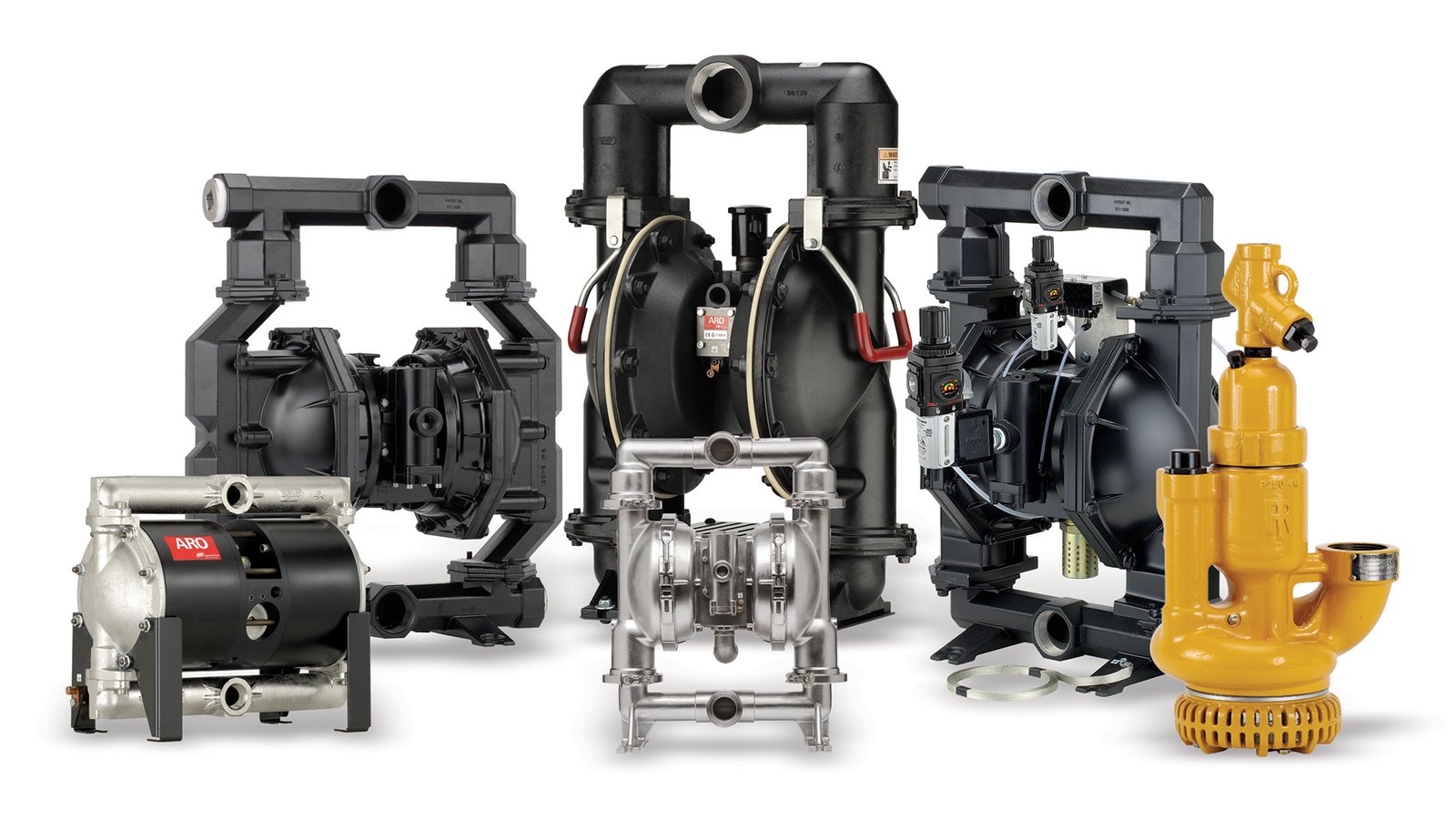
Introduction
In industries where equipment is exposed to extreme conditions, choosing the right pump can make the difference between smooth operations and frequent breakdowns. Among the many types of pumps available today, diaphragm pumps have earned a strong reputation for durability, flexibility, and efficiency. They are especially suitable for harsh environments where fluids may be corrosive, abrasive, viscous, or unpredictable. This article explores in depth how diaphragm pumps work, what makes them reliable in challenging settings, and how to choose the right one for your specific needs.
Understanding Diaphragm Pumps
A diaphragm pump, also known as a membrane pump, is a positive displacement pump that uses a flexible diaphragm and a set of valves to move fluids. When the diaphragm moves back and forth, it creates alternating suction and discharge pressure, allowing the pump to handle a wide range of liquids. Unlike centrifugal pumps, which rely on spinning impellers, diaphragm pumps provide consistent flow regardless of pressure fluctuations.
Their ability to run dry without serious damage, self-prime, and handle solids makes them highly versatile. These pumps are used in industries such as mining, agriculture, construction, pharmaceuticals, food processing, and water treatment. For businesses operating in harsh environments, diaphragm pumps are often considered the first choice.
Key Factors in Choosing a Diaphragm Pump
Fluid Compatibility
The very first consideration is the type of liquid the pump will handle. Some fluids are corrosive, while others are abrasive or viscous. A mismatch between pump material and fluid properties often leads to rapid failure. For corrosive chemicals like acids, Teflon or polypropylene wetted parts are essential. For abrasive slurries found in mining or construction, reinforced diaphragms and heavy-duty elastomers ensure longer life.
Temperature and Pressure Conditions
Diaphragm pumps are designed with specific limits for operating temperature and pressure. If a pump rated for room temperature is used with hot fluids, elastomers may degrade quickly. Similarly, exceeding pressure limits can rupture diaphragms. Always compare pump ratings with the actual application environment.
Viscosity and Flow Requirements
While diaphragm pumps handle a broad viscosity range, performance changes depending on the fluid. For thick fluids like sludge, pastes, or oils, pumps optimized for viscous materials are essential. Flow rate also needs to be matched with system demands to prevent inefficiency or pressure loss.
Drive Options
-
Air-operated double diaphragm pumps (AODD): Popular in harsh industries due to simple design and intrinsic safety in explosive areas.
-
Electric diaphragm pumps: More energy-efficient, ideal where compressed air is costly.
-
Engine-driven diaphragm pumps: Best for mobile or remote locations such as farms or construction sites.
Selecting the right drive type depends on site conditions, energy availability, and safety requirements.
Maintenance and Durability
Harsh environments accelerate wear and tear. Pumps designed with modular parts allow for quick replacement of diaphragms, check valves, and seals without dismantling the entire unit. This reduces downtime and maintenance costs. Availability of spares and service support should also influence the selection process.
Noise and Flow Control
Some diaphragm pumps generate pulsations in the fluid stream, which may not be suitable for sensitive applications. Pumps with pulsation dampeners or advanced valve designs provide smoother flow. In environments like laboratories or food plants, smoother and quieter operation is critical, while construction sites may prioritize ruggedness.
Efficiency and Lifecycle Costs
Energy costs are a major consideration. Air-driven pumps, though reliable, consume significant amounts of compressed air. Electric pumps may save costs in continuous duty cycles. Instead of focusing only on purchase price, buyers should consider the total cost of ownership, which includes energy use, service frequency, spare parts, and downtime.
Safety and Compliance
Harsh environments often involve toxic or flammable fluids. Pumps must comply with safety certifications such as ATEX, UL, or ISO. Using uncertified pumps in hazardous locations can endanger workers, damage equipment, and even lead to legal penalties. Always verify compliance before purchase.
Real-World Industry Applications
Mining
Mining operations often involve transferring slurries of water, dirt, and rocks. Pumps must be built with abrasion-resistant materials to survive these conditions.
Chemical Processing
Chemical plants handle aggressive solvents and acids. Here, leak-proof and chemically resistant diaphragm pumps are essential to ensure safety.
Food Industry
From syrups to sauces, diaphragm pumps handle viscous and delicate fluids while maintaining hygiene standards. Sanitary-certified pumps are crucial in this sector.
Construction
On construction sites, diaphragm pumps are used for dewatering trenches, transferring wastewater, and managing mud. Ruggedness and portability are vital here.
Environmental Conditions
Aside from fluid properties, external conditions matter. Pumps exposed to dust, extreme cold, or high heat require protective features. Weatherproof housings, heating systems, or dust-proof designs help pumps endure environmental stress.
Operator Training
Even the best pump can fail if used improperly. Staff should be trained in startup, shutdown, safe handling of fluids, and routine inspections. Operator knowledge extends pump lifespan and ensures workplace safety.
Smart Diaphragm Pumps
The pump industry is evolving with technology. Advanced diaphragm pumps now include sensors that monitor flow, pressure, and diaphragm wear. These smart features alert operators to issues before failures occur, reducing downtime and improving safety. While costlier upfront, smart pumps offer long-term value in industries requiring continuous operation.
Conclusion
Choosing the right diaphragm pump for harsh environments involves evaluating fluid properties, operating conditions, drive type, safety standards, and long-term costs. A well-matched pump ensures smooth operations, minimizes downtime, and provides better returns on investment. Industries working in extreme conditions cannot afford to compromise, making careful selection a necessity rather than an option.
Frequently Asked Questions
What makes diaphragm pumps suitable for harsh environments?
Diaphragm pumps can handle corrosive, abrasive, and viscous fluids while running dry without major damage. Their self-priming ability and durability make them ideal for tough conditions.
How long does a diaphragm pump last?
With proper maintenance and correct material selection, diaphragm pumps can last several years. Lifespan depends on fluid type, operating conditions, and service practices.
Can diaphragm pumps handle solids?
Yes, many diaphragm pumps are designed to handle fluids with suspended solids, making them useful in mining, wastewater, and construction applications.
Are diaphragm pumps energy-efficient?
It depends on the drive type. Air-driven pumps are robust but consume more compressed air, while electric diaphragm pumps are generally more energy-efficient.
What are the common maintenance needs for diaphragm pumps?
Regular inspection and replacement of diaphragms, seals, and check valves are common. Pumps with modular designs simplify maintenance and reduce downtime.
Are diaphragm pumps safe for flammable fluids?
Yes, as long as they meet certifications such as ATEX or UL. Air-operated pumps are often preferred in explosive environments due to intrinsic safety.
Do diaphragm pumps require priming?
Most diaphragm pumps are self-priming, making them easy to start up even after sitting idle. This is a major advantage compared to centrifugal pumps.
Can I use one diaphragm pump for multiple types of fluids?
It’s possible, but compatibility must be confirmed. Switching between chemicals, abrasives, or food products without cleaning or changing components may damage the pump or contaminate fluids.
How do I know if my diaphragm pump is failing?
Signs include reduced flow rate, unusual noise, leaks, or excessive vibration. Early detection prevents complete failure and costly downtime.
Are diaphragm pumps cost-effective in the long run?
Yes, because they reduce downtime, require less maintenance compared to many other pumps, and can withstand conditions that destroy other pump types. The upfront cost may be higher, but lifecycle value is greater.