
In the digital age, we no longer browse the internet—we are fed it. Every scroll, swipe, and click we make on social media is carefully analyzed by algorithms designed to give us exactly what we want. Or at least, what they think we want. But beneath the surface of personalized content and “For You” pages lies a troubling question: Are we still in control of our choices—or are the algorithms controlling us?
What Are Social Media Algorithms?
At their core, algorithms are sets of instructions that determine what content you see. Whether you’re on Instagram, TikTok, YouTube, Facebook, or X (formerly Twitter), these platforms use AI-driven algorithms to track your behavior—likes, shares, watch time, comments—and serve you more of the same.
On paper, that sounds efficient. After all, who wouldn’t want content that matches their interests? But the reality is far more complicated—and far more dangerous.
The Illusion of Choice
We often feel like we’re exploring endless content freely. But in reality, we’re being guided—sometimes aggressively—toward specific types of posts, creators, and ideologies. The algorithm isn’t showing you the best content. It’s showing you the content that will keep you scrolling the longest.
That might mean prioritizing:
- Outrage over calm debate
- Sensationalism over truth
- Addictive content over valuable insight
This creates a digital echo chamber where our views are reinforced, not challenged—and where our understanding of the world narrows over time.
The Impact on Mental Health
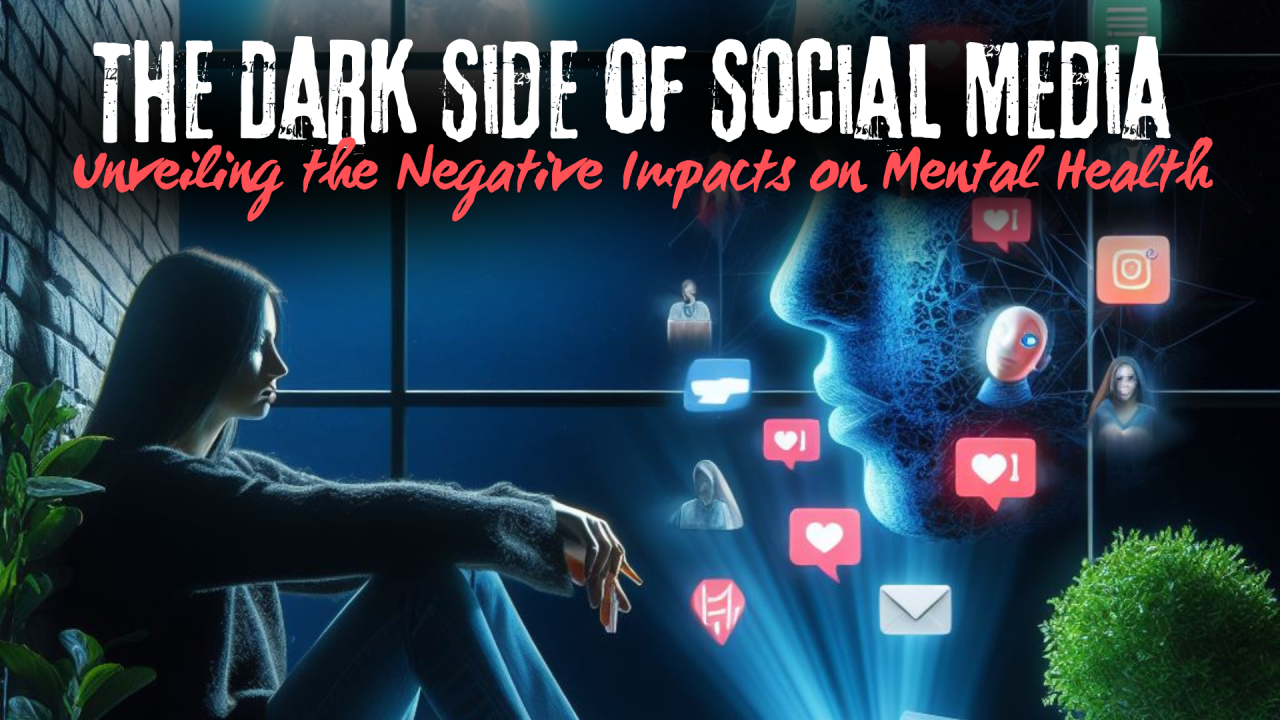
Algorithms don’t care about your mental health—they care about engagement. That’s why doom-scrolling, toxic beauty standards, cyberbullying, and unrealistic lifestyles go viral more than positive, educational content.
Studies have shown that excessive exposure to algorithm-driven content can increase anxiety, depression, low self-esteem, and even addiction-like behavior—especially in teens and young adults.
Manipulating Public Opinion
The power of social media algorithms extends beyond personal wellbeing. They have the ability to influence elections, protests, public sentiment, and even wars. By amplifying divisive content or misinformation, they can swing opinions, spark conflicts, and polarize entire nations.
And most users never question it—because the algorithm makes them feel like they reached those conclusions on their own.
Who Is Really in Control?
The scary truth is: you’re not the customer—you’re the product. Social media companies sell your attention to advertisers. The more time you spend on their platforms, the more money they make. And to keep you hooked, they’ve built algorithms that know you—sometimes better than you know yourself.
This raises ethical questions:
- Should AI decide what we consume?
- Who’s responsible when the algorithm causes harm?
- Is there a right to algorithmic transparency?
What Can We Do About It?
While we can’t escape algorithms completely, we can take steps to regain control:
- Limit screen time and be intentional about usage
- Diversify your content—follow accounts with different viewpoints
- Use privacy settings and opt out of tracking where possible
- Support platforms that promote transparency and user control
- Stay educated about how algorithms shape your behavior
Most importantly, don’t assume everything you see is the full story. Ask questions. Think critically. Be aware.
Conclusion: Awareness Is Power
Social media algorithms are not inherently evil—they’re tools. But like any tool, when used irresponsibly or without oversight, they can cause harm. As users, we must push for greater transparency and accountability from tech companies. And as individuals, we must learn to pause, question, and scroll with intention.